

Colossians 3:15: And let the peace of God rule in your hearts
Before the holiday gatherings begin, Paul calls us to let God's peace be the deciding voice in our hearts, to live as one body, and to be thankful.
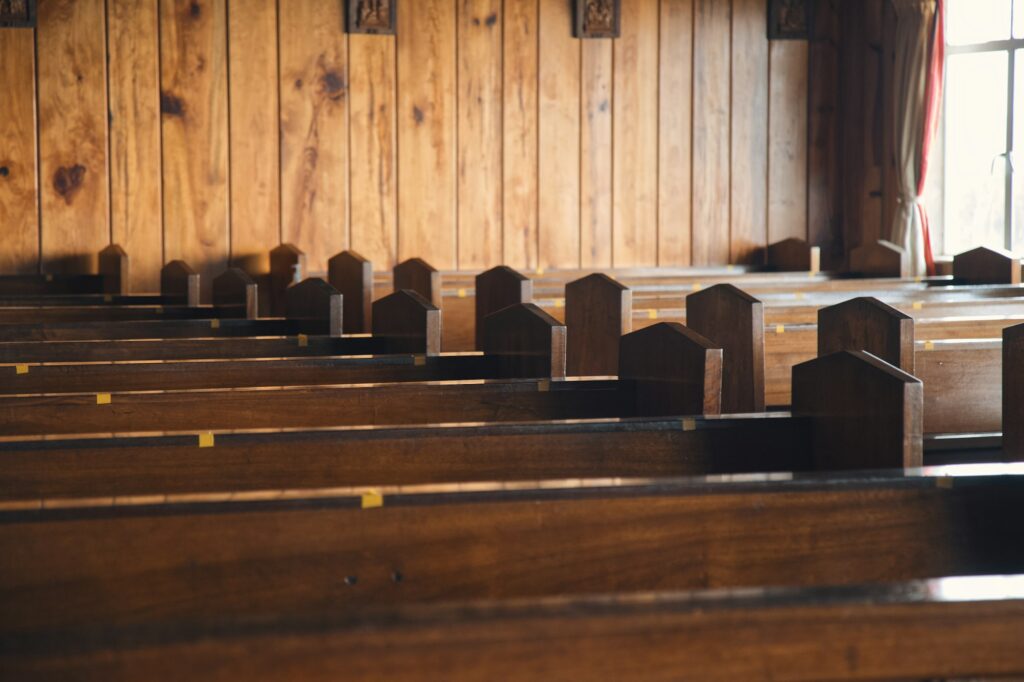
Photo: Karl Raymund Catabas / Unsplash
Holiday gatherings bring out the best in families and congregations, and sometimes the worst. The same table that holds a beautiful meal can also hold old hurts, political arguments and tension nobody wants to name. Paul’s letter to the Colossians offers a word for exactly this season: let the peace of God rule, remember that you belong to one body, and be thankful. On this Tuesday before the Thanksgiving rush, it is a good day to let that verse sink in before the guests arrive.
The Word for Today
“And let the peace of God rule in your hearts, to the which also ye are called in one body; and be ye thankful.” (Colossians 3:15, KJV)
Advertisement
Colossians 3 describes the new life of a believer. Paul tells the church to put off anger, wrath, malice and lying, and to put on mercy, kindness, humbleness of mind, meekness and longsuffering, forbearing and forgiving one another. Above all these, he says, put on charity, “which is the bond of perfectness.” Then comes our verse, followed by verse 16: “Let the word of Christ dwell in you richly,” and verse 17: “whatsoever ye do in word or deed, do all in the name of the Lord Jesus, giving thanks to God and the Father by him.”
Going Deeper: Peace as the Umpire
The word translated “rule” in this verse comes from the world of athletic contests. It describes the one who presides over a contest and decides the outcome. Paul is saying: let the peace of God be the deciding voice in your heart. When anger argues one way and pride argues another, let God’s peace make the call.
This is not the same as avoiding conflict at any price. The peace of God is not a nervous silence where nobody tells the truth. It is the settled confidence that comes from being reconciled to God through Christ. Earlier in the same letter Paul says that Christ made peace “through the blood of his cross” (Colossians 1:20). Because God has made peace with us, we can make peace with one another. That peace is strong enough to tell the truth in love and gentle enough to forgive.
Notice too that this peace has a calling attached: “to the which also ye are called in one body.” Peace is not merely a private emotion. It is the atmosphere of the church. God has called us into one body, and a body at war with itself cannot function. A hand does not hold a grudge against a foot. When believers let peace rule, the whole body moves together.
Then Paul adds three words that seem almost tacked on: “and be ye thankful.” But they are not an afterthought. Gratitude is one of the most practical peacemakers there is. It is very hard to stay bitter toward someone while you are honestly thanking God for them. Thanksgiving softens the heart, lowers the temperature of a room and reminds us that everything we have is a gift.
Look back at verse 13 for the method: “forbearing one another, and forgiving one another, if any man have a quarrel against any: even as Christ forgave you, so also do ye.” Forbearing means putting up with one another’s weaknesses, the habits that annoy us and the personalities that rub us the wrong way. Forgiving goes deeper; it releases the debt when someone has truly wronged us. Paul ties both to what Christ has already done. We forgive because we have been forgiven. When we remember how much grace we have received, it becomes easier to extend grace to the cousin who always says the wrong thing or the church member who hurt our feelings in a business meeting.
Context: A Church Learning to Live Together
Paul wrote Colossians to a church in a small city in what is now Turkey. Like many early congregations, it brought together people from very different backgrounds. In 3:11 Paul notes that in Christ there is neither Greek nor Jew, circumcision nor uncircumcision, Barbarian, Scythian, bond nor free, “but Christ is all, and in all.” These were not small differences. They touched culture, class and religious history.
Paul did not tell them to pretend those differences did not exist. He told them that something bigger held them together. Christ was their shared life. Peace was their calling. Thankfulness was their posture. That word still fits churches today, including congregations where farmers and factory workers, retirees and young families, long-time members and new believers sit side by side.
For Kentucky Families and Churches
Here are ways to let the peace of God rule as the holidays approach:
- Pray before the gathering. Before guests arrive or before you travel, pray for each person by name. Ask God to let His peace rule in your heart toward each one.
- Decide in advance what you will not argue about. Not every disagreement needs to be settled over pie. Some conversations are better saved for a quieter time.
- Make one step toward reconciliation. If there is a strained relationship in your family or church, consider a phone call, a card or a simple apology before Thanksgiving.
- Use thanks as a peacemaker. At the table, invite each person to say something they are thankful for about someone else present.
- Let the Word dwell richly. Read Colossians 3:12-17 aloud before the meal. Verse 16 even calls for singing, so add a hymn if your family is willing.
- Remember the one body. If your church has had division or hurt this year, leaders might set aside a time of prayer for unity before Advent begins.
Peacemaking is not always easy, and it is not always safe to sit at the same table with someone who has caused serious harm. Letting peace rule in your heart does not mean ignoring abuse or danger. Seek wise counsel from your pastor or a trusted professional in those situations.
Looking Ahead to Advent
In less than two weeks the church will enter Advent, the season of preparing for the coming of Christ. The prophet Isaiah called Him “The Prince of Peace” (Isaiah 9:6). It is fitting that we spend these days before Advent practicing the peace He came to bring. A thankful, peaceful heart is good soil for the Christmas message to take root.
The angels’ announcement to the shepherds also joined these themes: glory to God in the highest, and on earth peace, good will toward men (Luke 2:14). Peace with God comes first, and peace among people flows from it. If we arrive at the first Sunday of Advent having made peace where we could, having forgiven where we needed to, and having practiced gratitude around our tables, we will be ready to hear that old message with fresh ears.
Questions for Reflection
- When your emotions are stirred, what voice usually “rules” your heart? Anger, fear, pride, or the peace of God?
- Is there a relationship in your family or church where you need to take a step toward peace before the holidays?
- How does gratitude make it easier to forgive?
- What would it look like for your congregation to live as “one body” this season?
A Closing Prayer
Lord Jesus, You made peace through the blood of Your cross. Let that peace rule in our hearts. When we are tempted to anger, let Your peace decide. When old hurts rise up at family tables, give us grace to forgive. Bind our churches together as one body, and make us thankful people. Let Your word dwell in us richly, and let everything we say and do this week be done in Your name, giving thanks to God the Father by You. Amen.
Quick check
How much did you catch? Tap a question to see the answer.
1. What does Colossians 3:15 ask to “rule” in our hearts?
Answer: The peace of God.
2. Into what has God called believers, according to the verse?
Answer: Into one body.
3. What three-word command closes Colossians 3:15?
Answer: “And be ye thankful.”